
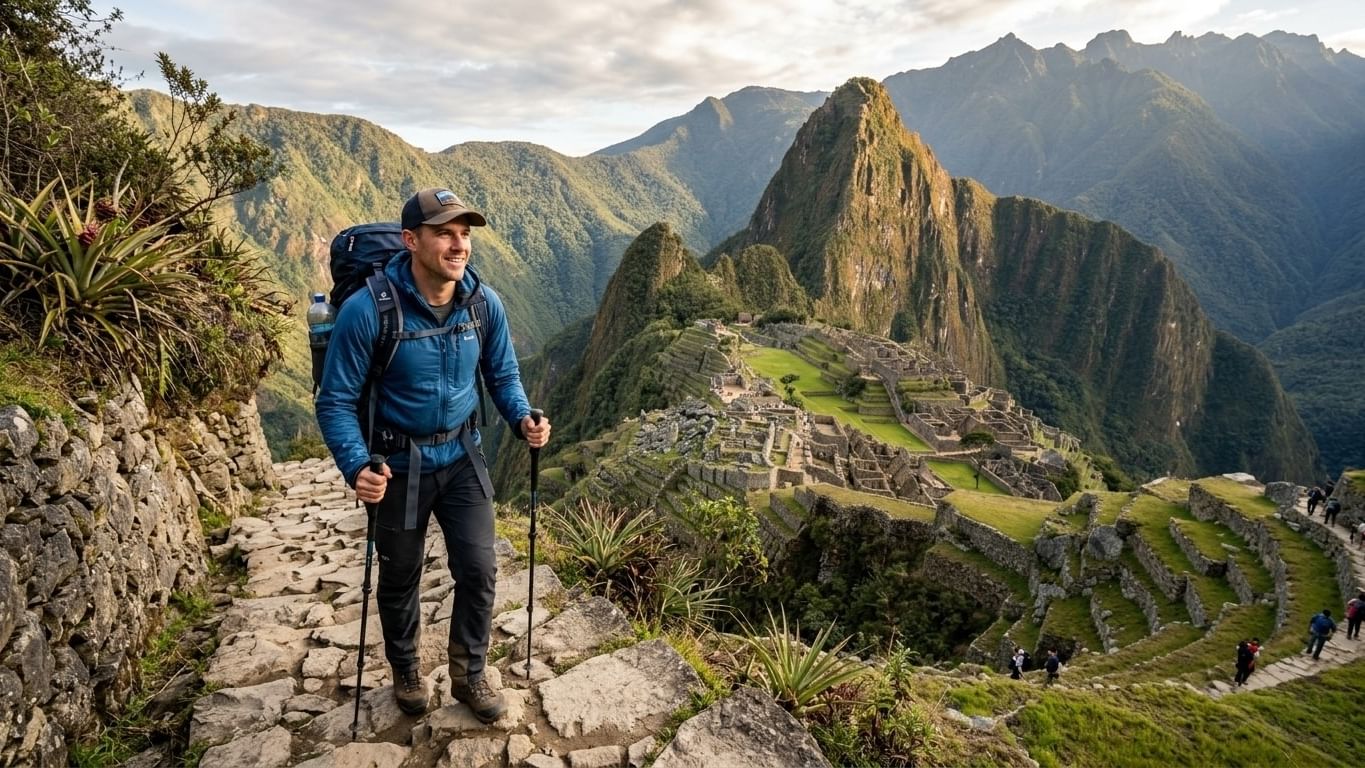
Altitude: The Primary Physical Challenge
Cusco sits at 3,400 meters above sea level, and Machu Picchu at 2,430 meters. While Machu Picchu is lower, it is still higher than the peak of Pikes Peak in Colorado or most alpine lakes in Switzerland. At this elevation, oxygen availability is approximately 70 percent of sea-level concentrations. Your body compensates by breathing faster and increasing heart rate. For most travelers, this causes mild effects: slight shortness of breath during exertion, occasional mild headache, slightly reduced sleep quality. For some, altitude sickness manifests more acutely with nausea or dizziness. The solution is acclimatization: spending time at elevation before ascending further allows your body to produce additional red blood cells and adapt oxygen utilization. Arriving in Cusco two to three days before traveling to Machu Picchu makes a profound difference. Spend those days walking gently through Cusco, eating light meals, and resting well at night. By day three or four, your body has adapted substantially.
Training Before You Leave Home
Physical conditioning before traveling to Machu Picchu provides genuine benefit. The citadel involves climbing thousands of stone steps, often steep, over three to six hours of continuous activity. If you live near elevation, hike hills regularly for several weeks beforehand. If you live at sea level, stair climbing, hill training, or gym elliptical machines simulating inclines build the leg strength and cardiovascular conditioning that make Machu Picchu easier. You need not be an athlete; moderate regular activity suffices. The goal is ensuring your legs and heart can handle sustained exertion at altitude. A sedentary person who suddenly attempts Machu Picchu experiences genuine hardship. Someone who has been walking three to four times weekly finds the day manageable and even enjoyable.
Gear That Makes the Difference
- Hiking Boots: Choose boots with ankle support and grip. Machu Picchu trails involve wet stone, loose gravel, and steep sections. Sturdy footwear prevents twisting ankles and reduces foot fatigue. Broken-in boots (wear them several times before traveling) prevent blisters that can ruin a day. Running shoes suffice for some, but boots are preferable.
- Layers: Bring a moisture-wicking base layer (synthetic or merino wool), an insulating mid-layer (fleece), and a windproof outer jacket. You will shed layers as you warm up during exertion, then add them back during rest stops and cooler moments. Layers allow adapting to changing temperature without being uncomfortable.
- Sun Protection: High-altitude sun is intense. Sunscreen with SPF 50 or higher, a wide-brimmed hat, and sunglasses protect against burns and reduce eye strain. Reapply sunscreen every two hours.
- Hydration: Carry two to three liters of water. There is no water source within Machu Picchu. Dehydration worsens altitude effects. Drink continuously throughout the day, not just when thirsty. Electrolyte supplements or sports drinks help sodium retention.
- Trekking Poles: Optional but highly recommended. Poles reduce impact on knees during descents and provide stability on loose terrain. They also assist with balance and give arms something to do, reducing perceived exertion.
Pacing Strategy Throughout the Day
Arriving at Machu Picchu in the early morning (whether by sunrise or mid-morning) gives you full hours of daylight and cooler temperatures. Begin at moderate pace, allowing your body to warm up gradually. Avoid rushing the first hour. Take a break every 60 to 90 minutes for a 15-minute rest. During rest, sit completely, remove your backpack, and refuel with light snacks and water. Continue at steady pace rather than fast pace. Fast pace is faster only until you burn out; steady pace covers more ground overall. Plan a substantial lunch break around midday. Two to three hours after arrival is the right time. Find a quiet spot with shade, eat something substantial (bring a lunch or purchase one from vendors), rest for 30 to 60 minutes. After lunch, you are refreshed for the afternoon session. By 3 or 4 PM, begin heading toward exit, allowing a relaxed final hour to revisit favorite spots rather than rushing toward the end.
The Importance of Pre-Visit Comfort and Rest
The night before your Machu Picchu visit, resting well makes an enormous difference. Stress and poor sleep amplify altitude effects and reduce resilience during the physical exertion. Accommodations matter profoundly. Aguas Calientes has a range of hotels. Casa del Sol Machupicchu Boutique Hotel provides a high standard of comfort: spacious rooms with private bathrooms, climate control to sleep well despite altitude, restaurant service, and spa facilities. The psychological benefit of returning to a beautiful, peaceful environment after a demanding day at Machu Picchu is substantial. You are not collapsing in a basic room but settling into comfort, perhaps enjoying a massage, a good dinner, and restful sleep. This recovery transforms how you experience the second day and the journey home.
What Altitude Sickness Looks Like and How to Address It
Most travelers experience no altitude sickness. However, some experience mild symptoms: headache, slight nausea, or fatigue disproportionate to exertion. These are usually harmless and resolve with acclimatization. Drinking more water, eating light meals, and resting fully often eliminate symptoms within hours. Serious altitude sickness (persistent vomiting, confusion, severe shortness of breath) is rare at Machu Picchu's elevation but is a medical emergency requiring descent. If you are in Peru and experience concerning symptoms, inform your hotel. Aguas Calientes has a medical clinic, and descent to lower elevation is always possible. Prescription medication (Diamox) can reduce altitude effects and may be recommended by your doctor if you have altitude sensitivity or limited acclimatization time. Discuss this with a physician before traveling.
Frequently Asked Questions
How many days of acclimatization do I need? Two to three days in Cusco or other highland areas provides significant acclimatization benefit. Even one day of rest at elevation before Machu Picchu helps.
Will altitude medication help me? If you have altitude sensitivity, consultation with a travel medicine doctor may result in a prescription for altitude sickness prevention. It is not for everyone but can help those with previous altitude issues.
Can I do Machu Picchu without prior training? Most people can, especially if you acclimatize and pace yourself. Prior training makes it significantly easier, but it is not an absolute requirement.