
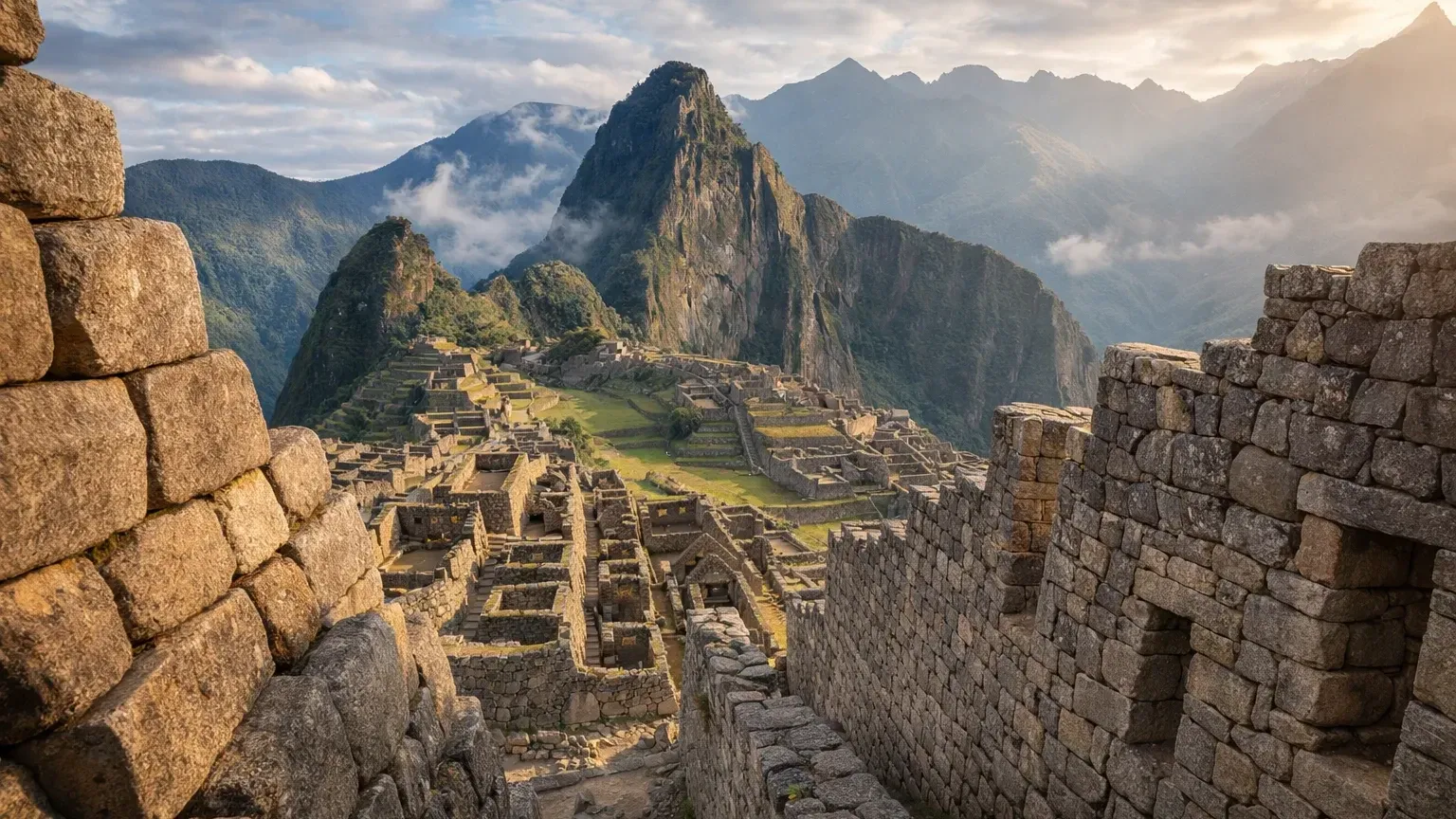
When travelers from around the world think of Peru, one image immediately comes to mind: the perfectly fitted inca stone walls rising from the mountains, defying time, earthquakes, and even modern engineering logic. These walls are not only architectural marvels; they are silent storytellers of a civilization whose knowledge still astonishes historians, architects, and visitors alike.
From the iconic terraces of Machu Picchu to the massive fortifications of Sacsayhuamán, Inca stonework continues to be one of the main reasons travelers search for answers online before planning their journey. In this article, we will explore how these Inca walls were built, why they matter, and where you can admire the most impressive examples during your visit to Peru.
The Mystery Behind Inca Stone Walls
The Incas did not use iron tools, wheels, or mortar. Yet, their constructions have survived for over 500 years in one of the most seismic regions on Earth. The secret lies in precision, patience, and deep knowledge of stone.
Why Are Inca Stone Walls So Special?
Inca builders shaped each stone individually so it fit perfectly with neighboring blocks. This technique allowed the walls to “move” slightly during earthquakes without collapsing. When you stand in front of these structures, it becomes clear why inca rock walls are still studied in architecture schools worldwide.
Some stones weigh several tons, yet their joints are so tight that not even a sheet of paper can fit between them. This mastery is especially evident in ceremonial and royal buildings.
Machu Picchu Stone Wall: A Masterpiece in the Clouds
High in the Andes, the machu picchu stone wall stands as one of the finest examples of Inca engineering. Built in the 15th century, Machu Picchu combines religious, agricultural, and residential spaces, all united by extraordinary stonework.
Stone Walls of Machu Picchu and Their Purpose
The stone walls of Machu Picchu were not merely decorative. Each wall had a specific function:
- Terracing walls prevented landslides and created fertile farming areas.
- Residential walls provided insulation against cold mountain nights.
- Sacred walls showcased the most refined stone-cutting techniques, often found in temples and ritual spaces.
The Incas carefully selected granite from nearby quarries, reducing the need for long-distance transportation while adapting construction to the mountain’s natural contours.
Inca Rock Walls and Earthquake Resistance
One of the most fascinating aspects of inca rock walls is their seismic resistance. Unlike modern rigid constructions, Inca walls are slightly flexible. The polygonal shapes of the stones lock together like a puzzle, distributing energy during earthquakes.
This is why many colonial buildings in Cusco collapsed during earthquakes, while Inca foundations remained intact. Today, modern structures in the city still rely on these ancient bases.
Sacsayhuamán Walls: Monumental Power in Stone
Just outside Cusco, the sacsayhuaman walls represent the most monumental expression of Inca stonework. Some stones here weigh over 100 tons, yet they fit together with astonishing accuracy.
What Makes Sacsayhuamán Unique?
- Massive zigzag walls symbolizing lightning and strength
- Enormous stones carved and transported without modern machinery
- Strategic location overlooking Cusco, highlighting its ceremonial and military importance
For many visitors, seeing Sacsayhuamán in person reshapes their understanding of what the Inca civilization was capable of achieving.
Symbolism and Spiritual Meaning of Inca Stone Walls
For the Incas, stone was alive. Mountains (Apus) were sacred beings, and working with stone was a spiritual act. The precision of inca stone walls reflected harmony with nature and respect for the earth.
The careful orientation of walls, windows, and doors often aligned with astronomical events such as solstices. This spiritual dimension adds another layer of fascination for travelers interested in culture, history, and ancient wisdom.
Where to See the Best Inca Stone Walls in Peru
If you are planning a trip, these are must-see locations:
- Machu Picchu – The most famous and visually stunning example
- Cusco city – Inca walls integrated into colonial architecture
- Sacsayhuamán – Monumental defensive and ceremonial walls
- Ollantaytambo – Living Inca city with impressive agricultural terraces
Each site offers a different perspective on Inca engineering and cultural values.
Why Travelers Are Still Searching for Inca Stone Walls Today
Modern travelers are not just looking for beautiful photos; they seek meaning, history, and inspiration. The enduring strength of inca rock walls speaks to sustainable building, harmony with nature, and human ingenuity.
Whether you are an architecture enthusiast, a history lover, or a curious traveler, exploring these walls connects you with a civilization that achieved greatness without modern technology.
Experience Machu Picchu in Comfort and Style
After a full day exploring ancient stonework, there is nothing better than returning to a place of comfort and tranquility. Located in Aguas Calientes, Casa del Sol Machu Picchu Hotel offers an exceptional experience for travelers who value both history and luxury.
With elegant rooms, stunning river views, and personalized service, Casa del Sol is the perfect complement to your journey through Inca history. Staying here allows you to relax, reflect, and fully immerse yourself in the magic of Machu Picchu.
Make Your Journey Unforgettable
Discover the genius behind the inca stone walls, walk among the legendary stone walls of Machu Picchu, and admire the grandeur of the sacsayhuaman walls—all while enjoying world-class comfort. Let your adventure in Peru be both inspiring and unforgettable by choosing Casa del Sol Machu Picchu Hotel as your home at the edge of history.