
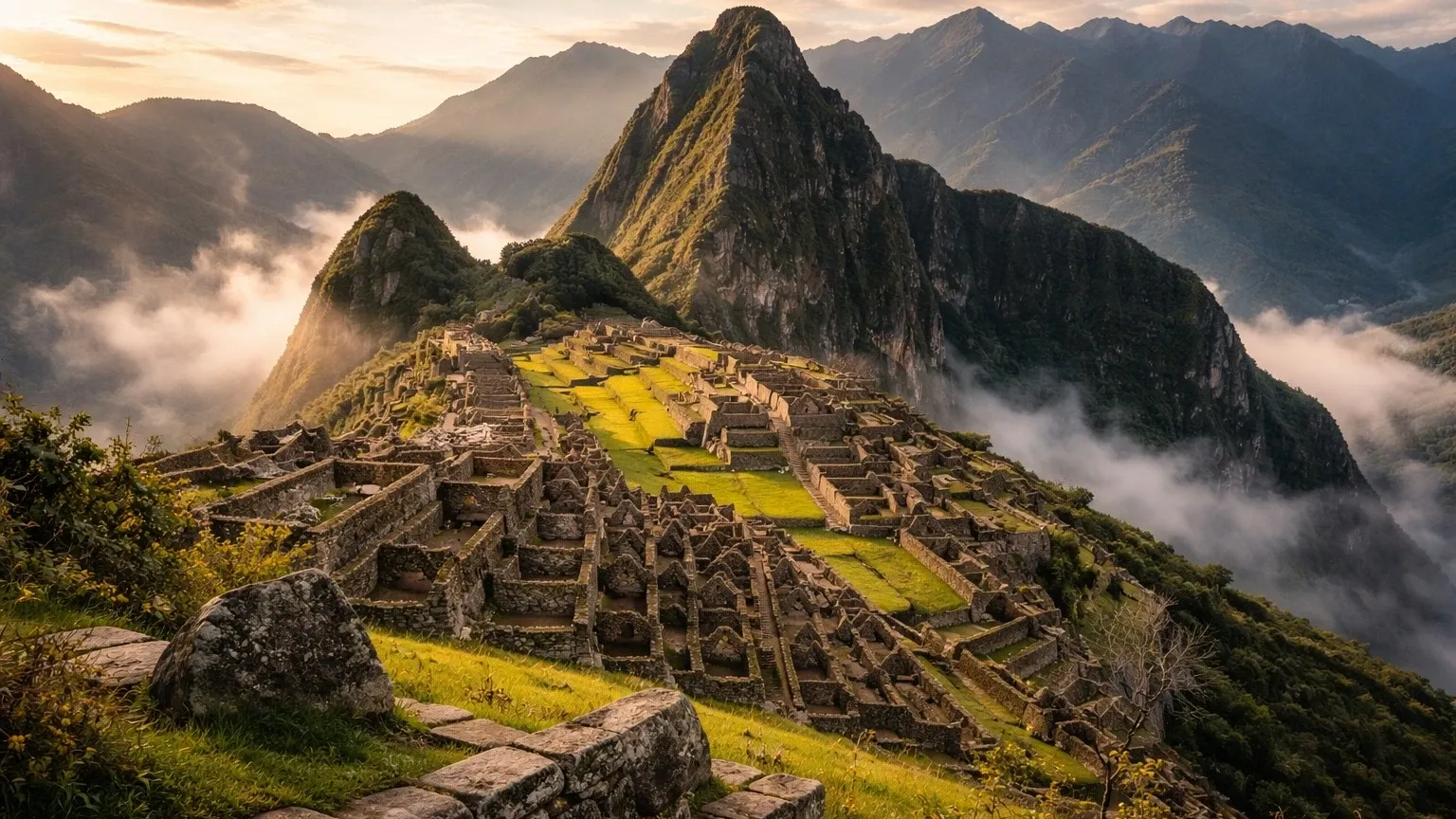
For many travelers around the world, Machu Picchu is more than a destination. It is a symbol of human ingenuity, spiritual depth, and the timeless relationship between culture and nature. That is why occasional headlines suggesting it could be “removed” from the New Seven Wonders of the World often cause confusion and concern.
So what is really behind these claims, and should travelers be worried? The answer is more nuanced than the headlines suggest.
First, a Crucial Clarification
Machu Picchu has not been officially removed from the New Seven Wonders of the World. The title was awarded in 2007 by the New7Wonders Foundation, a private initiative rather than an international governing body. There is no formal, ongoing process to revoke that designation in the way one might lose a legal status. However, debates around Machu Picchu’s preservation, tourism pressure, and long-term sustainability have sparked conversations that sometimes get simplified into alarming statements.
Where Do the Concerns Come From?
The core issue is not Machu Picchu’s value, but its popularity. Each year, hundreds of thousands of visitors from around the globe travel to see the citadel. This level of interest, while understandable, creates real challenges. Foot traffic affects stone pathways, terraces, and surrounding ecosystems. Infrastructure demands increase in nearby towns. Managing crowds without diminishing the experience requires constant adjustment. At times, international conservation organizations have warned that without careful management, Machu Picchu could face long-term risks. These warnings are about protection, not punishment.
Preservation Versus Popularity
Ironically, being named one of the world’s wonders is part of the challenge. Global recognition fuels tourism, and tourism must be balanced with preservation. Rather than suggesting Machu Picchu should lose its status, experts often argue the opposite: that its global importance makes it essential to protect through stricter controls. This is why visitor limits, timed entry schedules, defined circuits, and regulated access routes have been introduced in recent years. These measures are sometimes misunderstood as signs of trouble, when in reality they are proactive steps to ensure Machu Picchu remains intact for future generations.
Why Responsible Tourism Matters More Than Ever
For modern travelers, especially those from North America, this conversation highlights an important shift in global travel values. Visiting iconic sites today comes with shared responsibility. Choosing thoughtful itineraries, respecting regulations, and allowing time for slower, more meaningful experiences all contribute to preservation. Machu Picchu is not a place to rush through, but one to experience with intention. This approach not only protects the site it also enhances the journey itself.
The Role of Peru and Local Stewardship
Peru has repeatedly reaffirmed its commitment to protecting Machu Picchu. Ongoing conservation work, scientific monitoring, and collaboration with international experts focus on sustainability rather than restriction for its own sake. Local communities, guides, and hospitality providers also play a vital role. When tourism is managed with care, it supports preservation, cultural continuity, and local livelihoods all at once.
What This Means for Travelers
Rather than signaling decline, these discussions underscore Machu Picchu’s importance. Very few places in the world inspire such vigilance, precisely because so much would be lost if they were not protected. For travelers planning a journey, the message is reassuring. Machu Picchu remains one of the most extraordinary places on earth, not in spite of these debates, but because it is taken seriously as a global heritage site. Experiencing it today means becoming part of a story that balances wonder with responsibility.
A Wonder Worth Protecting
Machu Picchu does not need its status as a “wonder” to prove its value. Its significance is written into the mountains, the stonework, and the silence that settles over the citadel in the early morning. The conversations surrounding its future are not about removing recognition, but about ensuring that recognition does not become a burden. With responsible travel, thoughtful management, and continued respect, Machu Picchu will remain exactly what it has always been: a place that inspires awe, reflection, and deep connection. For travelers willing to engage with it mindfully, Machu Picchu is not just a wonder of the world. It is a reminder of why some places deserve to be protected above all else.